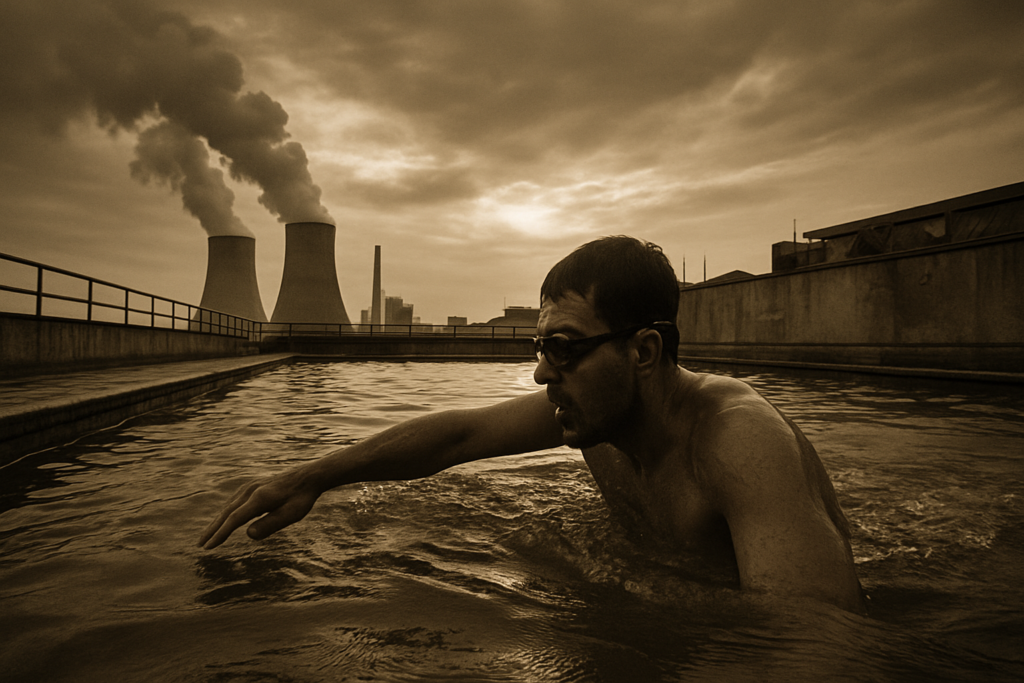
Water Temperature Swings Are Changing the Game
In open water swimming, temperature isn’t just a number it’s a safety protocol. Warmer waters, once welcome, are now disrupting how events are planned and executed. When water temps climb too high, the chance of hyperthermia goes up. Unlike cold shock, which gets attention, overheating in long distance swims can sneak in quietly but end just as dangerously. Safety crews are adapting, but it’s an uphill swim.
That’s not the only threat tied to heat. Freshwater venues are seeing more algae blooms some toxic, some just gross all of them problematic. Races have been called off within hours of kickoff due to sudden water quality shifts. Add the fact that some venues are simply too hot to safely host events during summer, and the map of viable locations is getting redrawn.
The sport is fundamentally outdoor and seasonal, but now, peak season isn’t always safe season. Organizers either adjust or the races don’t happen.
Coastal Erosion and Venue Instability
Beaches that once hosted iconic swim events are now half their size or gone completely. Rising sea levels and coastal erosion are redrawing coastlines at a steady clip, putting entire race venues underwater or too unstable to support crowds and infrastructure.
For race directors, the logistics have become a daily chess game. Tides are less predictable, surf breaks can shift overnight, and what looked like a safe entry point last year could be a hazard this season. Backup plans have become standard: alternate routes, emergency protocols, mobile check in stations, even satellite communications in case access roads fail.
Damage to piers, boardwalks, and staging areas has also forced some events to either relocate miles inland or cancel altogether. Events with decades long traditions are now rethinking how and where they operate. It’s not just nature reshaping the map it’s the rising cost of adapting fast enough.
Extreme Weather = Unpredictable Race Days

Open water swimmers have always dealt with Mother Nature, but lately, she’s more volatile than ever. Sudden storms hit with almost no warning, whipping up wind surges that make safety boats scramble and swimmers pull out. Lightning strikes near the course? That’s a hard stop no questions asked.
As these extreme weather events become more frequent, last minute cancellations are no longer rare they’re expected. This puts pressure on event organizers, not just logistically but financially. Higher risk events mean higher insurance premiums, and some underwriters are backing out altogether. Permits are also getting tougher to secure, with cities enforcing stricter protocols and weather contingency plans.
The end result? Fewer guarantees, more stress behind the scenes, and a growing need for smarter, faster decision making. Open water race days are turning into weather chess matches and organizers who can’t adapt quickly are getting wiped off the board.
Organizers and Athletes Have to Adapt
As climate change continues to reshape the conditions of open water environments, both event organizers and athletes are being forced to rethink how they approach race day. From adjusting start times to reevaluating training routines, adaptability is becoming key to staying competitive and safe.
Adjustments to Event Format
To mitigate the risks associated with rising temperatures and unpredictable weather patterns, many events are making significant changes:
Earlier Start Times: Starting races at dawn to avoid peak heat hours.
Shorter Course Lengths: Reducing race distances to minimize overexertion in warm waters.
Heat Management Protocols: Implementing mandatory pre race medical screenings, mid course check ins, and post race cooling zones.
Shifting Race Seasons and Locations
In an effort to dodge the worst of the climate related disruptions, events are increasingly relocating or rescheduling:
Cooler Months, Safer Conditions: More races are shifting to spring or fall to avoid summer heat spikes.
Higher Latitude Venues: Locations in northern or coastal regions with more stable temperature ranges are becoming popular alternatives.
Climate Responsive Athlete Training
Athletes are also changing how they train and prepare for races:
Simulating Race Conditions: Practices now involve temperature controlled environments and humidity training.
Hydration and Nutrition Adjustments: More emphasis on staying fuelled and hydrated in hotter, more variable conditions.
Environmental Awareness: Understanding local marine conditions has become part of preparation.
For a closer look at how the industry is adjusting to these ongoing changes, learn more here.
What It Means for the Future of the Sport
As climate change continues to reshape the conditions of open water swimming, the sport is being redefined not just in how races are conducted, but how they are conceived, planned, and sustained for the future.
A Shift Toward Resilience Focused Planning
Race organizers are now incorporating long term climate data and risk models into event logistics. This proactive approach goes beyond short term safety protocols and aims to future proof the sport.
Climate impact assessments now influence race calendars and site selection.
Plan B (and C) contingencies are becoming standard procedure.
Events are being built around adaptability, not just tradition.
Collaborating with Climate Experts
To gain a deeper understanding of changing marine environments, organizers are beginning to partner with scientists and ecosystem specialists:
Marine biologists help assess the health and biodiversity of race areas.
Climate scientists provide models for forecasting water and weather variables.
This collaboration is guiding event design, athlete safety, and sustainability goals.
Sustainability as a Core Principle
Sustainability is no longer a side conversation it’s becoming a foundation of how open water events are built and operated.
Race infrastructure is being designed with a lower environmental impact.
Local partnerships focus on conservation education and shoreline restoration.
Athletes are also joining the charge, using their platforms to advocate for clean water and climate action.
Read More
Explore how swimmers and organizers are preparing for the long term impacts of climate change:
Dive deeper into the long term effects and athlete adaptations
 is a dedicated fitness enthusiast with a deep-seated passion for swimming and holistic health. Leveraging her extensive background in competitive swimming and personal training, she provides readers with expert advice on optimizing their workouts and enhancing their overall well-being. Kiara's writing stands out for its blend of motivation and practical tips, making complex fitness concepts accessible and actionable. She is committed to helping individuals of all levels reach their fitness goals by promoting a balanced approach to exercise and nutrition. In her articles on Swim Fast Stay Fit, Kiara shares her personal experiences, training techniques, and strategies for overcoming common fitness challenges, inspiring others to lead healthier and more active lives.