Why Visualization Works in the Water
Swimming Starts in the Mind
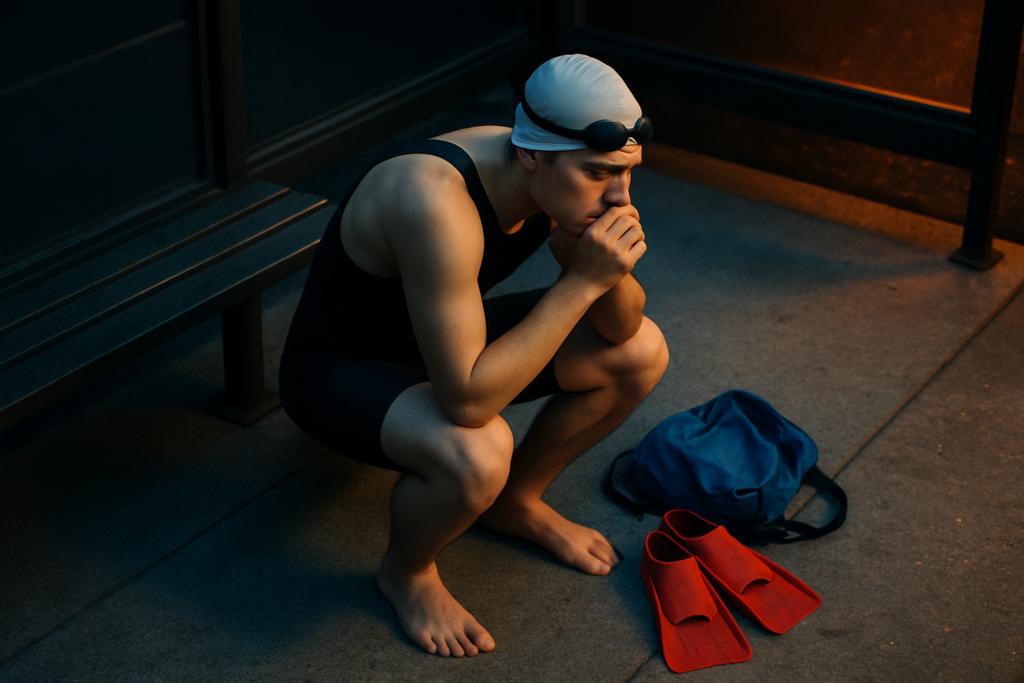
Visualization is more than just daydreaming about race day it’s a technique grounded in sports psychology and neuroscience that can dramatically impact how you perform under pressure. By mentally rehearsing races, swimmers strengthen their ability to stay focused, calm, and confident when it counts.
Mental Imagery Under Pressure
Visualization gives athletes a mental ‘preview’ of their performance. When used consistently, it helps reduce race anxiety and improve decision making under stress. Here’s how:
Simulates race day tension without physical fatigue
Mentally conditions you to focus through chaos or distractions
Fosters emotional control, turning nerves into fuel instead of fear
The Brain Body Connection
There’s a scientific reason why visualization works so effectively. When you vividly imagine yourself swimming, your brain activates many of the same neural pathways used during physical movement without ever hitting the water.
Mirror neurons fire in sync with imagined actions, reinforcing muscle memory
The brain treats visualization like practice, enhancing coordination and technique
Proven by Pros
Top level swimmers and Olympians frequently include visualization in their training regimens. From pre race routines to mid set resets, elite competitors use mental imagery to gain a psychological edge.
Reinforces routines they’ll rely on under pressure
Boosts confidence by pre living successful outcomes
Improves reaction time, especially at the start and on turns
Visualization isn’t just a bonus tactic it’s a daily training tool for swimmers aiming to compete with precision and calm when the pressure is highest.
Drill 1: Full Race Walkthrough (Eyes Closed)
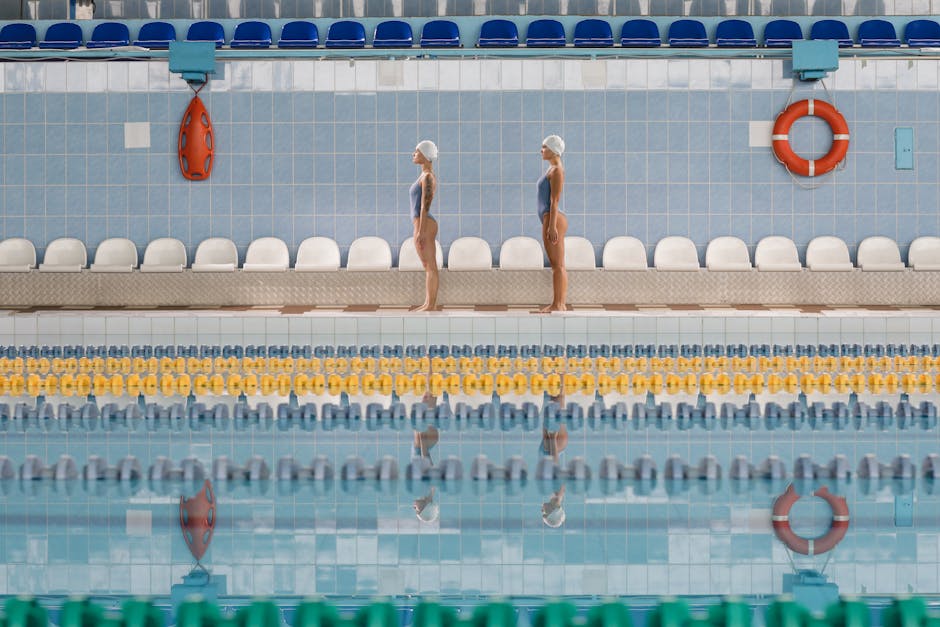
Close your eyes. You’re on the blocks. The pool’s quiet, but you can hear the steady buzz of the crowd. The whistle blows. Visualize that exact moment feet tense, fingers gripping, explosive dive. From there, trace every stroke of your race. Feel each wall, the rhythm of your breathing, the pull of the water against your skin.
This isn’t just daydreaming. It’s training. The sharper your mental movie, the more familiar that race will feel when it’s real. Lock in sensory details what does your kick sound like? What do your goggles press like against your face? Where do your strokes line up with the lane markers? You can’t fake race day composure, but you can build it.
The real goal is to pre program confidence. When the brain believes it’s been through the race already, you cut hesitation. Doubt shows up less. If it sneaks in, you’ve already rehearsed how to keep rolling.
Pair this with a solid mindset foundation to go even deeper. Boost visualization with a strong mental foundation: positive mindset development.
Drill 2: Overcoming the Worst Case Scenarios
Visualization isn’t just about seeing yourself winning it’s about preparing for everything that could go sideways and pushing through anyway. False starts. Botched turns. A competitor one lane over throwing down a pace you didn’t plan on. When you rehearse adversity in your mind, you teach your body to stay calm and respond instead of panic.
See it happen in your mental reps. The delay on the start. The goggles slipping. That painful third 50. Picture it, then picture what you do next no drama, just action. You recover your stroke, reset your focus, fight back into contention. This kind of mental prep doesn’t make you paranoid; it makes you ready.
Swimmers who do this regularly report lower pre race anxiety and better in race decision making. It’s not about expecting disaster it’s about knowing your response when it shows up. That’s where real confidence comes from.
Drill 3: Instant Reset Between Races

Races pile up fast. If you’re dragging tension from the last heat into the next one, you’re already a stroke behind. Clearing your head between events is as much a skill as your streamline or turn.
Start with breath. One slow inhale, hold, then release. Pair it with a grounding cue something simple and physical: touching the block, shaking out your arms, tapping your chest. Let that movement signal a reset.
Now run a micro visualization: picture yourself standing strong at the next start. Calm body, sharp focus, clean slate. Drop the last race. It’s over. This is the one that matters.
Mental scripts help too. Short lines. No fluff. Just truth: “I’m here now.” “One lap at a time.” “Reset. Ready. Go.” Repeat them quietly while walking or waiting. They anchor you.
Most of all, train your brain to treat tension like a switch. On when you need it, off when you don’t. Mastering that switch is how you stay fresh mentally and physically race after race.
Drill 4: Confidence Anchoring
Visualization is powerful on its own, but when paired with physical or verbal cues, it becomes even more effective. This technique, called confidence anchoring, helps swimmers trigger a state of calm control automatically especially when stakes are high.
What Is a Confidence Anchor?
A confidence anchor is a small gesture or phrase linked to a confident emotional state. When repeatedly practiced during visualization sessions, this anchor becomes a mental shortcut: your brain starts to associate the movement or words with a sense of readiness and calm.
How to Create Your Anchor:
Choose a Physical Gesture:
Simple movements work best (e.g., tapping your fingers, clenching a fist, adjusting goggles).
Pair It with a Verbal Cue:
Pick a short, powerful phrase (e.g., “You’ve got this,” or “Smooth and strong”).
Use During Visualization:
As you run through your ideal race image, perform the gesture and say your focus phrase at moments of strength like a clean start or strong final push.
Repeat Daily:
Practice every day, not just on race days. Over time, your body and mind will tie the anchor to your peak racing mindset.
Why It Works:
The brain thrives on associations. By anchoring confident thoughts to physical or verbal cues, you create a reliable mental tool you can access instantly on the pool deck no matter the nerves or pressure.
Reinforce these drills with mindset tools: positive mindset development
Visualization Maintenance Plan
Mental training doesn’t need to be long or complicated. Five to ten minutes a day is enough especially when the focus is clear. Think of it like sharpening your edge. Quick sessions in the morning or pre practice work best. Commit to just a few specific visuals: great streamline, powerful turn, clean finish. Quality beats quantity.
Stack it with breathwork or light stretching. This double layered approach calms the nervous system and makes the visuals stick. The more relaxed your body, the deeper your mental rehearsal lands.
During taper or off season, don’t let the images fade. Shift the focus to past performances or perfect rehearsals. Twice a week is enough to keep the mental file loaded. Off season is also a great time to update your imagery to reflect progress or adjust goals.
On race day, have a checklist: visualize your start, your breakout, your exact strategy for building the third 25. Keep it short and scripted. Walk through it in your warm up zone. Breathe slow, stay locked in, hit play in your head.
Consistency is what wires confidence. And confidence, race after race, isn’t just felt. It’s rehearsed.
Final Takeaway for Swimmers
Mental Training Is Physical Training
Visualization is more than a feel good strategy it has measurable impact. Repeated mental rehearsal wires your brain to perform in sync with your goals. Just like technique drills build muscle memory, mental reps strengthen your race day confidence.
Every visualization session reinforces your neural pathways
The body often responds as if the event is actually happening
Consistent practice sharpens focus and reduces hesitation under pressure
Details Make the Difference
The power of visualization lies in precision. The more specific you are in your mental imagery, the more effective it becomes. Don’t stop at imagining the start see the flick of water off your goggles, feel the resistance as you turn, hear the final beep of the scoreboard.
Use rich imagery: sights, sounds, sensations
Visualize outcomes, but also the process stroke by stroke
Anticipate the feel of the water at different race points
Mental Armor for Race Day
When practiced regularly, visualization becomes part of your pre race armor. It creates a layer of mental readiness that protects against doubt and distraction. It isn’t just prep it’s performance.
Use your visualization as a mental warm up before every race
Store confident moments from training in your mental playbook
Let your mind lead your body calm, focused, and ready to race
 is a seasoned fitness expert with a special focus on swimming and holistic health strategies. With years of experience as a competitive swimmer and fitness coach, Patricia offers readers a wealth of knowledge on optimizing performance and maintaining a balanced lifestyle. Her writing on Swim Fast Stay Fit reflects her commitment to empowering others with practical advice and motivational insights. Patricia’s approach integrates advanced training techniques with accessible wellness tips, aiming to help individuals achieve their personal fitness goals and enhance their overall quality of life. Through her engaging articles, Patricia inspires readers to embrace a comprehensive approach to health, combining effective exercise routines with mindful nutrition and self-care practices.