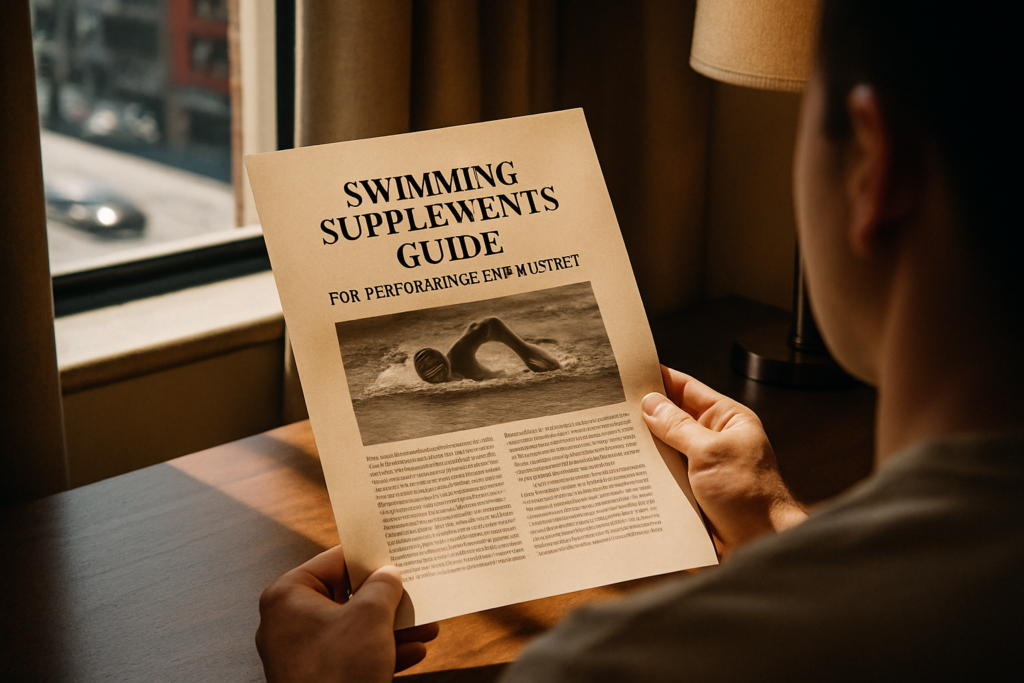
Why Supplements Matter for Swimmers
Swimming isn’t a casual cardio session. At the competitive level, it pushes the body through hours of high intensity training, often twice a day. That kind of demand can’t always be met with food alone. Despite clean eating, whole grains, and piles of protein, the body sometimes falls short on recovery, energy, or simply staying healthy.
Most swimmers burn through calories and nutrients faster than they can replenish them. Micronutrient gaps are common, especially in iron, vitamin D, and omega 3s. Recovery suffers. Sleep can get disrupted. Even slight deficiencies can mean slower laps or nagging injuries that won’t go away.
This is where smart, targeted supplementation can help filling the gaps, not replacing meals. But here’s where caution matters: not every supplement is safe or legal. The line between performance and penalty is thinner than most think. Some over the counter pills or powders contain banned substances, often hidden in sketchy blends or mislabeled ingredients. Athletes have gotten banned without knowing they crossed a line.
Bottom line: don’t wing it. Know what your body needs, use legit sources, and always double check with your coach or sports nutritionist. Supplements should help you swim smarter, not risk everything you’ve trained for.
Beta Alanine
Beta alanine has become a go to supplement for sprinters and middle distance swimmers who need to push through lactic acid buildup. It works by increasing muscle carnosine levels, which helps your body manage acid during repeated high intensity efforts. That means better performance in the pool, especially during 100 to 400 meter events where fatigue usually hits hard at the end.
Most swimmers take 3 to 6 grams per day, ideally split into smaller doses to reduce the skin tingling side effect known as paresthesia. The tingle is harmless, but if it bothers you, look for sustained release formulas or spread doses throughout the day.
It’s worth noting: beta alanine isn’t a magic switch. It takes a few weeks of steady use to load up carnosine levels, so don’t expect instant results. If timed right ahead of a competition season or training block, it can give you an edge when seconds matter.
What Doesn’t Work or Isn’t Worth It

Not all supplements belong in a swimmer’s kit. Some are more filler than fuel.
First off, most multivitamins get a failing grade on bioavailability. That’s a fancy way of saying your body doesn’t absorb them well. You might pop the pill, but only a fraction gets put to work. Unless a blood test shows a clear gap, you’re better off getting nutrients from real food or targeted single ingredient supplements.
Then there’s the issue with proprietary blends. These catch all formulations list ingredients but skip the amounts so you don’t know what you’re really getting. One product might say it has beetroot, caffeine, and B vitamins, but how much of each? Not knowing makes it tough to dose properly or track results. It also makes it harder to spot what could interfere with other supplements or meds.
Finally, watch out for anything containing banned or untested compounds. Some fringe products still sneak in risky ingredients to promise faster gains or recovery. If it’s not third party tested or if you can’t pronounce half the label it’s not worth the gamble. Doping violations aren’t just for pros anymore; age group meets and college programs are testing, too.
In short: Do your homework, avoid hype, and steer clear of anything that hides behind a label or promises shortcuts.
Smart Supplement Strategy
Before reaching for the bottle, swimmers need to start with data not assumptions. That means getting blood work done and consulting with a qualified professional who understands both performance nutrition and the demands of swim training. Without that baseline, you’re just guessing.
Tracking how supplements affect you shouldn’t come from marketing promises or locker room chatter. Use training logs. Record performance, recovery, and how you feel in both the water and during dryland work. Real improvement shows up in consistent patterns, not just one great workout.
And none of it works without a strong foundation. Supplements are just that a supplement. They don’t fix a poor diet. Prioritize whole food energy, recovery meals, hydration, and quality sleep first. Then layer in proven aids where needed.
Get expert insights from the complete performance supplements guide
 is a seasoned fitness expert with a special focus on swimming and holistic health strategies. With years of experience as a competitive swimmer and fitness coach, Patricia offers readers a wealth of knowledge on optimizing performance and maintaining a balanced lifestyle. Her writing on Swim Fast Stay Fit reflects her commitment to empowering others with practical advice and motivational insights. Patricia’s approach integrates advanced training techniques with accessible wellness tips, aiming to help individuals achieve their personal fitness goals and enhance their overall quality of life. Through her engaging articles, Patricia inspires readers to embrace a comprehensive approach to health, combining effective exercise routines with mindful nutrition and self-care practices.