Why Plant Based Works in the Pool
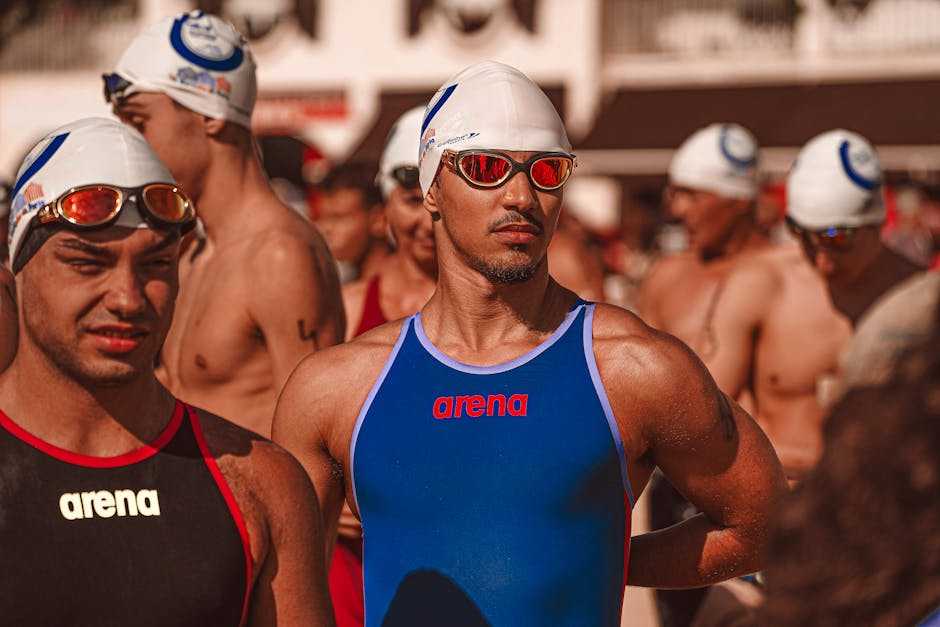
More swimmers from elites chasing medals to weekend lap goers are turning to plant based diets. This isn’t just about ethics or trend chasing. It’s about performance. Athletes are realizing they can recover faster, stay leaner, and train longer by leaning into plants. Plant based eating naturally reduces inflammation, which means less joint pain and quicker turnaround between sessions.
Endurance also gets a boost. Many plant heavy meals are packed with complex carbs, which fuel long swims and hard intervals. And recovery? Fiber rich veggies and antioxidant loaded fruits help fight oxidative stress. Basically, your body bounces back instead of breaking down.
The protein myth sticks around, but it’s outdated. Tofu, beans, lentils, quinoa, tempeh they all deliver the goods. Iron? It’s in your spinach and legumes. Paired with vitamin C (think citrus or bell pepper), that iron gets absorbed just fine. Energy? There’s no shortage of it if your plate is balanced.
Bottom line: Meat isn’t required fuel. Smart, plant based choices will take you from warm up to cooldown without compromise.
Core Nutritional Needs for Swimmers
Swimming is a high intensity, full body sport. It demands solid energy upfront and efficient recovery afterward. That means three things need to stay dialed in: carbs, protein, and fat.
Carbohydrates are your fuel. No drama, just straight up energy to power you through laps and sets. Whole grains, fruits, potatoes, and legumes are solid choices that also bring along fiber and micronutrients. Protein is the repair crew. It rebuilds muscle fibers that break down during training. Plant based swimmers lean on tofu, tempeh, lentils, beans, and protein rich grains like quinoa. Add plant based powders if you need to fill a gap. Fats, often underrated, are long term energy sources and essential for hormone function think recovery, resilience, and performance. Nuts, seeds, avocados, and olive oil are your friends.
But the micronutrients matter just as much and are often overlooked. Iron and vitamin B12 are at the top key for oxygen transport and energy levels. Without enough, fatigue creeps in fast. Calcium and vitamin D support muscle contraction and bone strength. Iodine keeps your thyroid running smoothly, and zinc helps your immune system and recovery. Plant based sources exist you just need to be intentional. Iron? Go for lentils, chickpeas, and fortified cereals with a splash of vitamin C rich foods to boost absorption. B12? Fortified plant milks or supplements. Calcium? Leafy greens, tofu made with calcium sulfate, or fortified drinks. Keep iodine in check with seaweed or iodized salt. Zinc comes through in beans, seeds, and whole grains.
A plant based diet can cover all bases it just takes some smart stacking of foods. No magic, just intention.
Daily Meal Planning Breakdown

Swimmers burn through fuel fast, and timing matters almost as much as the food itself. The right nutrients before and after workouts don’t just improve performance they speed up recovery too.
Pre Training Fuel: Quick Digesting Carbs and Hydration
Before hitting the water, go light but smart. Opt for carbs your body can break down quickly think bananas, rice cakes with a thin spread of jam, or a small bowl of oatmeal with berries. Aim to eat 45 to 60 minutes before training. Fluids are just as critical: even mild dehydration impacts performance. Water is fine, but add a bit of sea salt or sip on a simple electrolyte mix if you’re swimming longer stretches.
Post Training Recovery: The Protein Carb Combo That Matters
Recovery starts the moment you towel off. Within 30 minutes, get in a mix of protein and carbs to support muscle repair and refill glycogen stores. A great example: a smoothie made with plant based protein powder, almond milk, banana, and oats. Or go solid with something like quinoa, black beans, and roasted veggies topped with tahini.
Sample One Day Vegetarian and Vegan Swimmer Meal Plans
Breakfast (Pre Training): Toasted whole grain English muffin with peanut butter and half a banana; glass of water
Post Training Smoothie: Soy milk, frozen berries, scoop of pea or rice protein powder, handful of spinach, tablespoon of flaxseed
Lunch: Lentil salad with quinoa, cherry tomatoes, cucumber, olive oil, and lemon dressing; apple on the side
Afternoon Snack: Trail mix (almonds, pumpkin seeds, dried cranberries) and a small soy yogurt
Dinner: Stir fried tofu with brown rice, broccoli, and bell peppers in sesame ginger sauce
Evening Snack (Optional): Oatmeal with almond milk, cinnamon, and sliced pear
Consistency beats complexity. Stick to easy, whole food meals timed around your training. That’s where plant based power pulls ahead.
Power Players on a Plant Based Plate
A balanced vegan or vegetarian diet for swimmers needs more than leafy greens. It requires strategic inclusion of nutrient dense foods that support performance, muscle recovery, and sustainable energy.
High Protein Heroes
Protein is essential for muscle development and repair, especially after training sessions. Plant based diets offer a wide array of complete and complementary protein sources.
Top picks for performance:
Tofu Versatile and packed with complete protein
Lentils Great for soups, stews, and post workout bowls
Tempeh Fermented soy with a firmer texture and gut friendly benefits
Quinoa A complete grain protein and fast cooking carb
Seitan Dense in protein and ideal for savory dishes
Plant based protein powders Useful for quick shakes and protein recovery smoothies
Iron Rich Foods with a Twist
Iron helps carry oxygen to muscles, supporting endurance and stamina. While plant based iron (non heme) isn’t absorbed as easily as animal based sources, pairing it with vitamin C rich foods helps boost absorption.
Smart iron strategies:
Combine spinach with lemon juice or bell peppers (vitamin C)
Include fortified cereals or oatmeal in your mornings
Add tahini, a sesame seed paste, to sauces, dips, or smoothies
Calcium and Vitamin B12
Calcium strengthens bones and supports muscular contraction, while B12 plays a key role in energy metabolism and neurological function. Since B12 isn’t found in plants, supplementation is often necessary for vegans.
Reliable plant based sources:
Calcium fortified plant milks (soy, almond, oat)
Nutritional yeast contains both B12 and umami flavor
Supplements especially for B12, when daily needs aren’t met through fortified foods
Meeting these nutrient needs with intention sets the foundation for high level swimming performance on a plant based diet.
Don’t Skip the Fats
Fats aren’t the enemy they’re fuel, especially for swimmers grinding through intense training blocks. Beyond energy, healthy fats play a frontline role in hormone production, which directly impacts recovery, mood, and muscle repair. Cut them too low, and you’re asking for burnout, inflammation, and stalled progress.
Swimmers on plant based diets don’t need to look far for good fat sources. Avocados bring fiber and potassium along with monounsaturated fats. Nuts like almonds and walnuts pack protein and omega 3s. Seeds chia, flax, hemp are nutrient dense and easy to toss into shakes or oats. Olives and olive oil? Classic staples for anti inflammatory support and flavor punch. Ground flaxseed deserves a shoutout for its ALA omega 3s, especially if you’re not getting fatty fish.
For those in the deep end of performance, understanding omega 3s is game changing. They support joint health and speed recovery. If you’re curious how to work these into your diet with intent, don’t miss this expert backed guide: omega 3 dietary gains.
Wrap Up: Performance Starts with the Plate
Plant Based Power in the Pool
A strong plant based diet is not only achievable for swimmers it can be a significant advantage. With the right approach, a vegan or vegetarian plan supports energy levels, speeds recovery, and reduces inflammation, all while aligning with ethical or environmental values.
What Makes It Work?
To perform at your best, it’s not just about cutting out meat. It’s about smart replacement and intentional planning. Here’s what that looks like in action:
Planning: Map out meals in advance so you’re never left scrambling for nutrients.
Variety: Rotate proteins, grains, fruits, and vegetables to prevent nutritional gaps.
Awareness: Know where typical plant based diets may fall short and how to fill in the blanks.
Mind the Nutrient Gaps
Even the most balanced diets can miss the mark in key areas. For swimmers, that makes regular check ins with a professional or dedicated tracking even more important:
Monitor intake of vitamin B12, iron, and omega 3s.
Use fortified foods or supplements when necessary.
Adjust based on training load, seasonal needs, and performance feedback.
Next Steps for the Curious Swimmer
If you’re ready to push your plant based performance further, nutrition is the place to start. Learn how omega 3s play a game changing role in endurance, inflammation control, and recovery by exploring this in depth resource:
Unlocking the Power of Omega 3 for Swimmers: Performance, Recovery, and Health Boosts
 is a seasoned fitness expert with a special focus on swimming and holistic health strategies. With years of experience as a competitive swimmer and fitness coach, Patricia offers readers a wealth of knowledge on optimizing performance and maintaining a balanced lifestyle. Her writing on Swim Fast Stay Fit reflects her commitment to empowering others with practical advice and motivational insights. Patricia’s approach integrates advanced training techniques with accessible wellness tips, aiming to help individuals achieve their personal fitness goals and enhance their overall quality of life. Through her engaging articles, Patricia inspires readers to embrace a comprehensive approach to health, combining effective exercise routines with mindful nutrition and self-care practices.