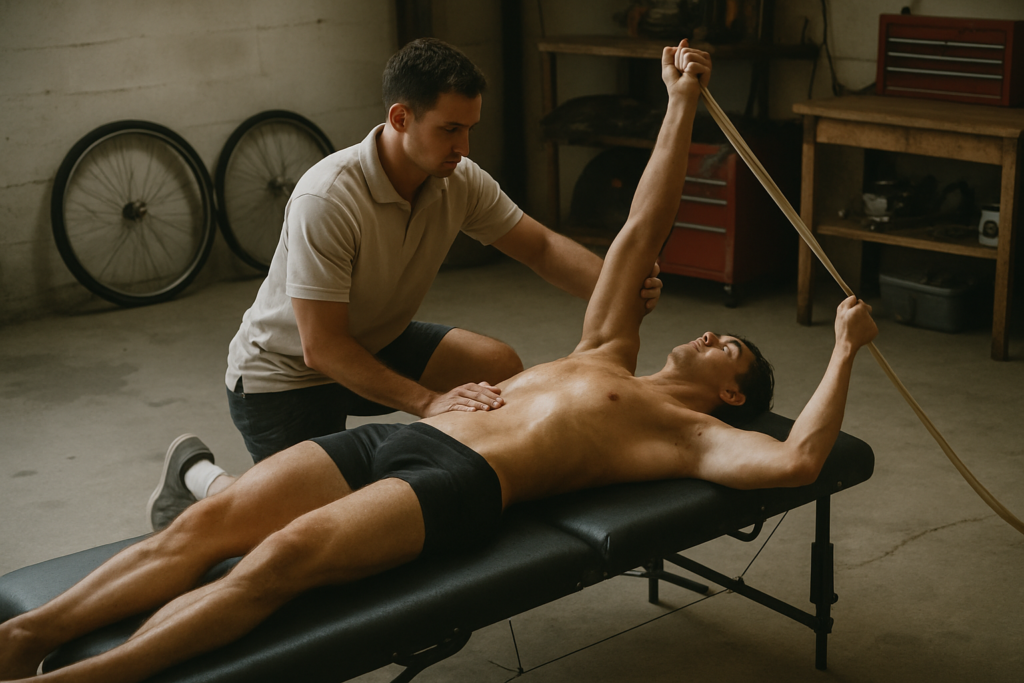
The Off Season Isn’t a Break It’s a Strategy
Too many athletes treat the off season like a vacation. It’s not. It’s where consistency quietly builds the next season’s breakthrough. The mistake? Shutting down completely and assuming recovery means doing nothing. That approach leads to rust, not rest.
Smart athletes know the off season is when you address weaknesses, keep foundational systems in check, and reset your body without letting it slip. This isn’t about pushing to the edge it’s about staying sharp while dialing back.
The ones who stay committed to light but structured training, mobility work, and mental reset routines walk into the next season already ahead. Maintenance keeps you ready. It’s not flashy, but it pays off when others are scrambling to get back in shape.
In short: use the off season or it’ll use you.
Keep the Engine Running with Smart Programming
Off season doesn’t mean off task. The smartest athletes don’t shut it down they shift the strategy. Periodization is key here. Instead of hitting the brakes on training, it’s about dialing back the intensity while staying locked into a schedule. You don’t need peak performance in December, but you do need effort. Discipline stays on; volume turns down.
Structure your training in blocks that balance cardio endurance, mobility, and active recovery. Too much of one and you either plateau or break down. A blend keeps your body engaged without pushing it past the edge. Think less about chasing PRs and more about fortifying your base.
Setting goals is essential, but so is realism. The off season should sharpen your focus, not burn you out. Choose targets that build momentum, not pressure. You’re playing the long game showing up consistently now pays off when it’s time to peak.
Dial in Strength and Conditioning
In the off season, lifting isn’t about maxing out or setting PRs every week. It pivots toward movement quality, muscle balance, and injury prevention. The flashy stuff heavy clean and jerks, loaded squats takes a backseat to pulling patterns, unilateral work, and exercises that wake up ignored muscle groups.
This is when stabilizer muscles and the deep core come into focus. Think split squats, dead bugs, resisted carries movements that dial in alignment and control rather than brute force. That’s not to say strength gains stop. Instead, the aim is rebuilding a strong, resilient base without overcooking the nervous system.
Prehab work becomes non negotiable. Banded shoulder routines, hip mobility flows, ankle stability drills all boring, all crucial. They keep the big lifts pain free when competition season rolls around.
And while some off season power work still happens (hello, hex bar jumps and medicine ball slams), volume and intensity are dialed back strategically. The rule here: stay sharp, don’t get cooked.
Want to go deeper into year round strength planning? Here’s a solid read: strength and conditioning.
Nutrition and Recovery: Reset and Recharge

When training volume goes down, nutrition has to follow. You’re not burning through the same number of calories, so keeping the same intake leads to unnecessary fat gain. But this isn’t about slashing calories hard it’s about adjusting smartly. Focus on quality over quantity. Keep protein consistent to support muscle repair. Dial carbs down slightly, especially on rest days, while keeping healthy fats steady to maintain hormonal balance.
Recovery can’t be a side note. Sleep is the foundation get consistent, deep hours or expect performance to stall. Hydration matters too; even mild dehydration can drag down recovery and energy levels. Add in regular flexibility work mobility drills, yoga, dynamic stretching and you’ve got a reliable base to actually recharge, not just rest.
Supplements can help, but they’re not magic pills. Omega 3s, magnesium, and vitamin D support recovery and mood. Creatine isn’t just for heavy lifting phases it aids cellular recovery even in lighter training months. If hormone balance or fatigue is an issue, consider adaptogens and talk to a professional. The off season is the time to rebuild, not just maintain.
Mental Edge: Stay Competitive Without Competing
The body rests, but the mindset doesn’t. If you’re not lacing up for weekly competition, that’s fine but you can still sharpen the mental knife. Visualization isn’t hype, it’s habit. Top athletes walk through game day scenarios in their heads long before they show up. Even 10 minutes a day can keep you aligned with your mission.
Same with journaling and goal tracking. Getting your thoughts down adds direction to what can feel like drift. Set two or three short term goals skill based, not just metrics and review them every week. Are you consistent? What’s slipping? That quiet check in matters more than most people admit.
Working with a coach in the off season? Even better. This is time to refine mechanics, not just grind reps. Honest feedback, without competition pressure, leads to growth. You have room to tweak, test, and ask questions you usually don’t have bandwidth for.
Rethink the off season: it’s not a pause, it’s mental preseason. Build habits now so they hold under heat. When the pressure returns, your mind won’t crack and that’s what separates winners.
Cross Training That Actually Helps
Cross training isn’t code for random activity. Done right, it sharpens your edge without adding wear and tear. The goal isn’t to kill time it’s to choose exercises that reinforce your main sport while giving overused joints and muscles a break.
Swimmers might hit the bike for low impact cardio or pick up resistance bands for shoulder stability. Runners can benefit from swimming or yoga to dial in flexibility and core control. Whatever your sport, there’s a way to move that helps you move better where it counts.
Strategic variety protects against burnout and overuse. Switching up stimulus keeps joints fresh, fires up neglected muscle groups, and builds overall coordination. Think of it as resetting the system, not stepping away from it.
There’s also a mental benefit here. Trying something new demands focus your brain has to adapt. This builds what some call athletic IQ. You read movement better, react quicker, and stay more aware of your body. All of which translates once you’re back in game mode.
Cross training isn’t a filler. It’s another tool. Use it wisely.
Build Now, Gain Later
Staying fit isn’t about peaking once a year. It’s about leveling up steadily, without burning out. The smartest athletes treat the calendar as a training tool. That means knowing when to push and when to step off the gas. A year round mindset doesn’t mean nonstop intensity it means planned intent.
Some seasons are for strength building and technical refinement. Others are for maintaining baseline fitness or letting the body and mind recover. Ramp up when your body is ready and goals are clear. Pull back when fatigue creeps in or life outside the gym needs more attention. Sustainable gains come from this kind of self awareness not from chasing every PB all year long.
Elite performers embrace this ebb and flow. They use off season blocks not just to stay in shape, but to build the foundation for future peaks. Lifting gets more controlled, fine motor work gets prioritized, and recovery becomes a main event not an afterthought.
Want to train like the pros? Check out these strength and conditioning strategies that go deep on timing, technique, and long term power planning.
 is a seasoned fitness expert with a special focus on swimming and holistic health strategies. With years of experience as a competitive swimmer and fitness coach, Patricia offers readers a wealth of knowledge on optimizing performance and maintaining a balanced lifestyle. Her writing on Swim Fast Stay Fit reflects her commitment to empowering others with practical advice and motivational insights. Patricia’s approach integrates advanced training techniques with accessible wellness tips, aiming to help individuals achieve their personal fitness goals and enhance their overall quality of life. Through her engaging articles, Patricia inspires readers to embrace a comprehensive approach to health, combining effective exercise routines with mindful nutrition and self-care practices.