Why Dryland Matters for Swimmers
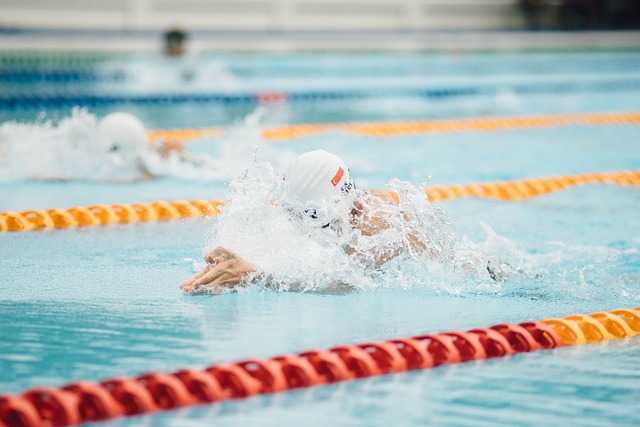
If you’re only training in the water, you’re leaving progress on the table. Dryland work isn’t a nice to have it’s essential. Swimmers who consistently train on land build the kind of aerobic capacity, muscular strength, and resilience that sets them apart come race day.
Here’s the deal: land based workouts condition the body in ways the pool can’t. Think controlled resistance, explosive power, and endurance that transfers straight into the water. Dryland builds stronger shoulders and hips, improves core control, and helps you push through longer sets with better form.
It also reduces injury risk. More strength around the joints means fewer tweaks and less wear from repetitive swim motions. That means more time training, less time on the bench.
The payoff? Faster turns, stronger pulls, longer strokes. It’s not about replacing swim sessions it’s about amplifying them.
Core Workouts to Build Swim Specific Endurance
Strong swimmers don’t just power through the water they hold form under fatigue. That’s where dryland core training comes in. Planks front, side, and reverse are a baseline. Done right, they strengthen every layer of your core and teach your body to stay streamlined. Focus on form over duration; 30 to 60 seconds per hold, repeated with control, will do more than mindless minutes.
Then move into dynamic holds like flutter kicks and hollow body positions. These mimic water resistance and force your core to stay active in motion, just like during a long set in the pool. Keep legs low and movement tight no flailing.
Try this benchmark circuit: 15 minute AMRAP (As Many Rounds As Possible).
30 sec front plank
15 hollow body flutter kicks
30 sec side plank (each side)
10 reverse crunches
20 sec hollow hold
Rest 30 seconds between rounds, then get back in. This isn’t about crushing reps. It’s about outlasting fatigue with good form. That’s real swim endurance.
Full Body Conditioning Drills

Building swim endurance isn’t just about what happens in the pool it’s also about developing full body power on land. These dryland exercises target your entire kinetic chain, enhancing strength, coordination, and stamina when you’re back in the water.
Total Body Power Moves
To swim stronger and longer, you need both explosive and sustained strength. These exercises help develop that crucial force from head to toe:
Jump Squats: Build explosive leg drive to power off the wall and during sprints.
Walking Lunges: Improve lower body strength and balance, replicating the unilateral force needed in kick cycles.
Push Ups: Strengthen the chest, shoulders, and triceps the muscle groups responsible for your pull phase.
Combine Strength & Cardio
Cardiovascular endurance is key for race season form, but layering in strength makes these movements even more effective:
Burpees: Full body power and aerobic capacity in one compound movement.
Mountain Climbers: Core stability meets cardio conditioning; great for mimicking swim like rhythm under fatigue.
Tip: Add these into a timed circuit (e.g., 30 seconds per move, repeat for 4 5 rounds) to simulate interval style effort without water.
Swim Specific Resistance Work
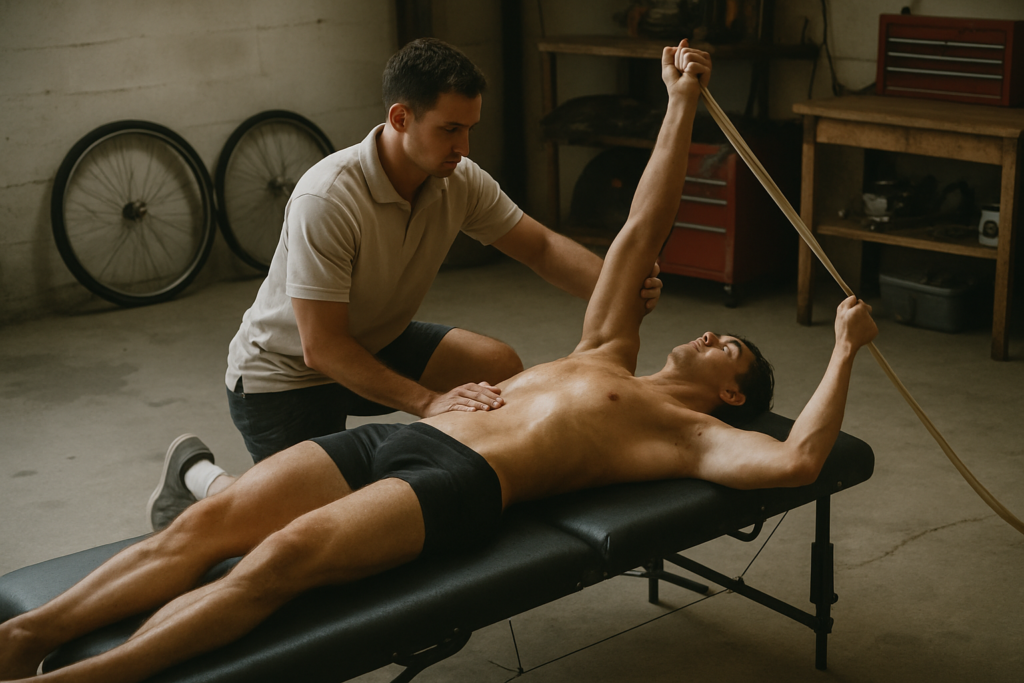
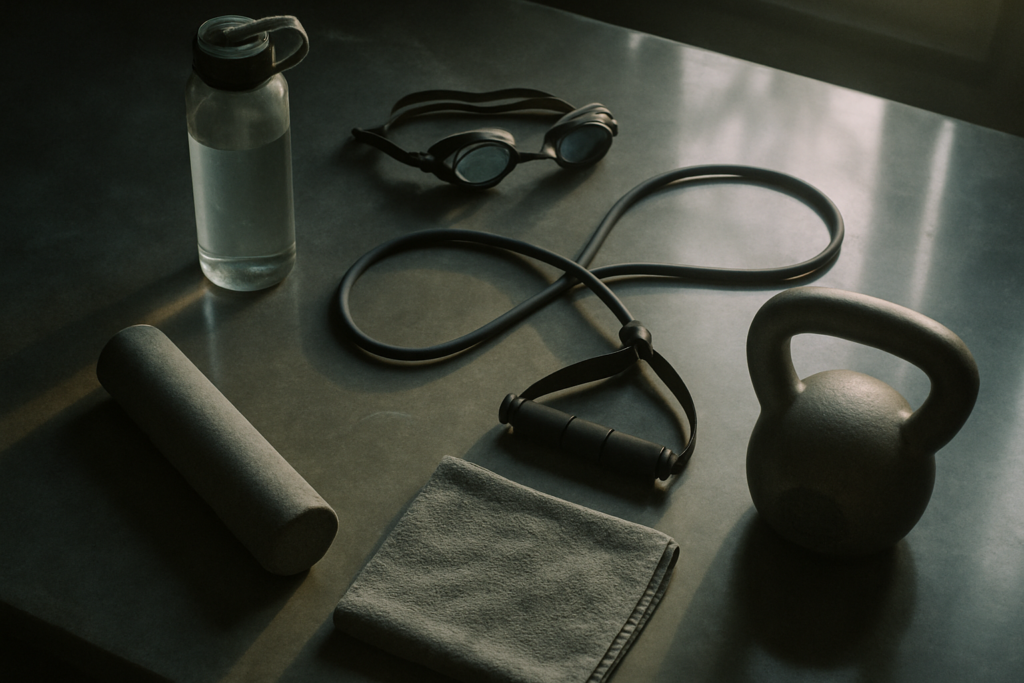
Resistance bands are a low impact tool that replicates the tension and motion of swimming without the pool.
Band Rows: Mimic the pulling motion of strokes like freestyle and butterfly.
Lat Pull aparts: Train postural muscles to maintain proper swim alignment.
Band Presses: Develop shoulder stability and forward drive.
Integrate band work as part of your dryland warm up or finisher. Keep movements slow and controlled to maximize swim specific gains.
Cardio Without the Pool
You don’t need water to train like a swimmer. Dryland cardio workouts can significantly boost endurance, aerobic capacity, and breath control key abilities for sustained performance in the pool.
High Intensity Interval Training (HIIT)
For swimmers looking to increase lung capacity and build VO₂ max, HIIT is a powerful option. These workouts are short but intense, typically lasting 20 30 minutes.
Alternate periods of maximum effort with short recovery times
Focus on full body movements to replicate swim related exertion
Example intervals: 40 seconds sprint, 20 seconds rest, repeated for 6 8 rounds
Sample HIIT Sets for Swimmers:
Sprinting or jump rope: 30 seconds fast, 30 seconds slow (x6)
Burpees + push ups combo: 3 rounds of 1 minute work + 30 seconds rest
Low Impact Conditioning Options
Swimmers need cardio that challenges the body but doesn’t cause unnecessary joint stress.
Try these equipment based drills:
Rowing Machine: Simulates linear, stroke like movement; builds upper and lower body endurance
Jump Rope: Enhances coordination, rhythm, and overall aerobic stamina
These options are ideal during taper weeks or in pre season buildup blocks.
Tempo Based Running
Running at a steady, disciplined pace improves cardiovascular endurance and breath control, both of which translate well in the pool.
Run for 20 30 minutes at about 70 80% effort
Focus on steady breathing patterns: try breathing every 3 4 steps to simulate stroke timing
Great for mental stamina and aerobic base building
Quick Tip: Combine tempo runs with breathing drills post run to reinforce swim rhythm.
Integrating these dryland cardio strategies will keep your conditioning strong even when pool access is limited.
Don’t Skip Mobility and Flexibility
Building endurance in the water isn’t just about brute strength or cardio it also requires fluid, injury resistant movement. Dryland mobility and flexibility work ensures your body can meet the demands of long swim sets without breaking down.
Why Mobility Matters
Tight muscles limit range of motion, which directly affects stroke efficiency. Over time, this stiffness can lead to poor technique and increased injury risk. Mobility training keeps swimmers agile, efficient, and ready to peak when it counts.
Promotes full range of motion in shoulders, hips, and ankles
Helps prevent common swimmer issues like shoulder impingement or low back pain
Allows for smoother, longer strokes with less resistance
Incorporate Dynamic Stretching and Yoga
Adding mobility and flexibility routines even 2 3 times a week pays dividends in stroke length, recovery time, and overall swim endurance.
Suggested practices include:
Dynamic warm ups before workouts: leg swings, arm circles, bodyweight lunges
Cooldown stretches post workout: hamstrings, hip flexors, thoracic spine
Weekly yoga or mobility sessions to boost overall body awareness and flexibility
Tip: Make it part of your schedule not just a side note especially on recovery or light training days.
Start Here
Explore this guide: Flexibility for swimmers. It covers swimmer specific stretches and routines that improve propulsion and reduce injury.
Mobility work isn’t optional it’s the foundation for powerful, pain free laps.
Build Smarter, Not Just Harder
A solid dryland week doesn’t need to be complicated it needs to make sense for swimmers. Here’s a sample weekly routine built around four key pillars: core, cardio, functional strength, and recovery.
Monday Core Focus
3 rounds: front plank (1 min), flutter kicks (30 sec), hollow body hold (30 sec), side planks (30 sec per side)
Rest 1 min between rounds
Tuesday Cardio + Strength Combo
5 rounds: 10 jump squats, 10 push ups, 15 mountain climbers (each side), 30 second high knees
Keep a steady pace use a timer and try to beat your previous round each week
Wednesday Active Recovery
Light yoga or dynamic stretching, foam rolling
Focus on hips, shoulders, and lower back
Thursday Resistance & Power
3 rounds: resistance band rows (12 reps), lunges (10 each leg), burpees (10), resistance band lat pulldowns (12 reps)
Build in steady rest; form first, speed second
Friday HIIT Cardio Day
20 minute interval: 30 seconds jump rope, 30 seconds rest
Add light core work as a finisher (e.g., AMRAP of sit ups in 5 min)
Saturday/Sunday Optional Mobility or Full Rest
Recovery is training, too
The key isn’t blowing yourself out on day one. It’s showing up five or six days a week with intention. Keep the sessions short but consistent 30 minutes is plenty. Track performance with circuits: how many rounds in 15 minutes? How long to complete three sets? Progress isn’t always fast, but if you’re logging numbers and staying steady, it adds up.
 is a dedicated fitness enthusiast with a deep-seated passion for swimming and holistic health. Leveraging her extensive background in competitive swimming and personal training, she provides readers with expert advice on optimizing their workouts and enhancing their overall well-being. Kiara's writing stands out for its blend of motivation and practical tips, making complex fitness concepts accessible and actionable. She is committed to helping individuals of all levels reach their fitness goals by promoting a balanced approach to exercise and nutrition. In her articles on Swim Fast Stay Fit, Kiara shares her personal experiences, training techniques, and strategies for overcoming common fitness challenges, inspiring others to lead healthier and more active lives.